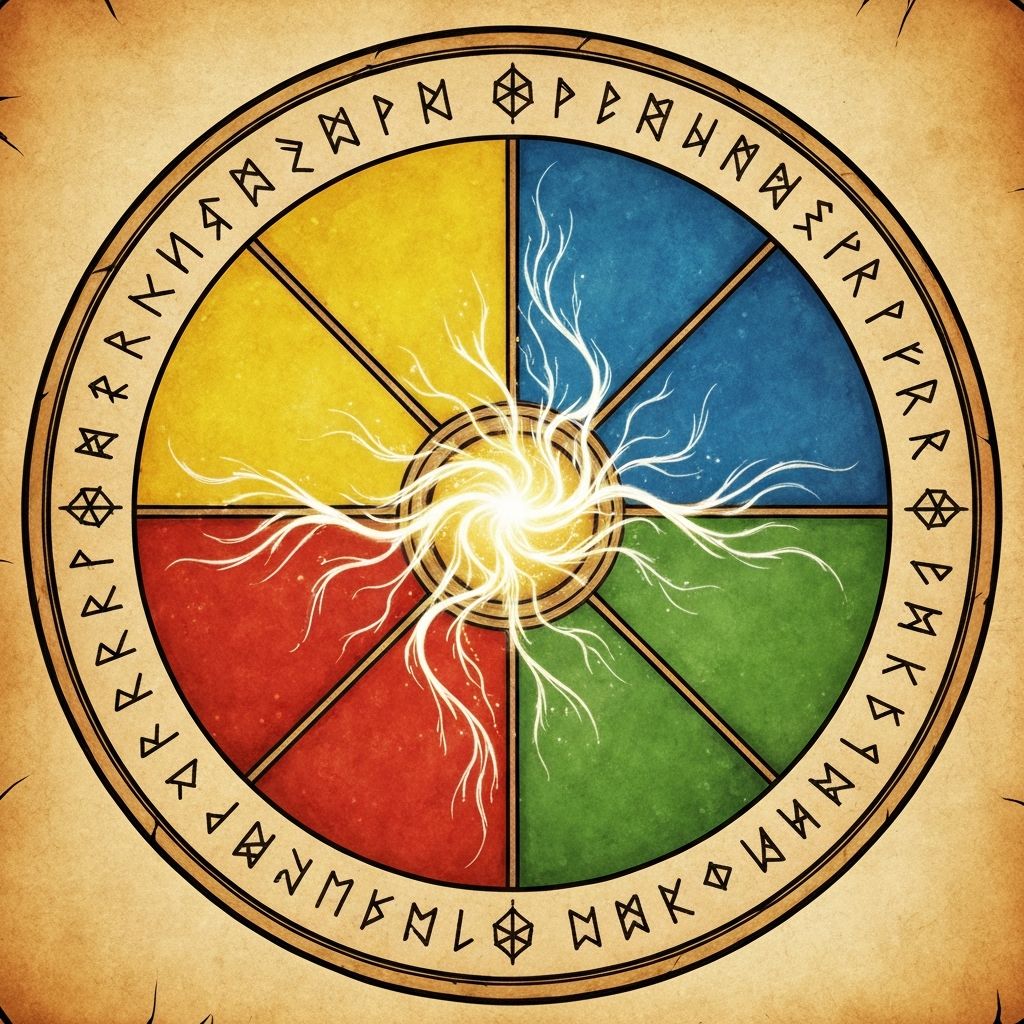
Quick comparison chart
This Temperament | Core drive | Strength | Watch for view gives you a compact way to compare the four temperaments before reading the deeper guides.
Chart columns: Temperament | Core drive | Strength | Watch for
| Temperament | Core drive | Strength | Watch for |
|---|---|---|---|
| Choleric | Progress, ownership, and decisive movement | Clarity, courage, initiative, and leadership | Impatience, force, or skipping context |
| Sanguine | Connection, expression, and shared energy | Warmth, optimism, creativity, and momentum | Avoidance, overpromising, or weak follow-through |
| Melancholic | Quality, depth, meaning, and careful standards | Precision, loyalty, analysis, and thoughtful memory | Overthinking, pressure, or delayed sharing |
| Phlegmatic | Peace, steadiness, trust, and continuity | Calm, patience, diplomacy, and reliability | Delay, quiet resentment, or agreeing too quickly |
Choleric chart
The Choleric pattern tends to move toward outcomes. In a chart, it often sits closest to action, ownership, directness, and visible progress. This can be helpful when someone needs to decide, take responsibility, or make a stalled situation move.
The watchout is that clear can become hard-edged. If the Choleric pattern is overused, other people may experience the pace as pressure. The practical adjustment is to keep the outcome clear while making room for timing, input, and trust.
Sanguine chart
The Sanguine pattern tends to move toward connection and possibility. In a chart, it often sits closest to warmth, story, expression, and social energy. This can help a group recover hope, start a conversation, and remember why the work matters.
The watchout is that possibility can outrun commitment. If the Sanguine pattern is overused, promises can stay loose and hard topics can get softened too quickly. The practical adjustment is to keep warmth visible while adding a simple next step.
Melancholic chart
The Melancholic pattern tends to move toward depth and standards. In a chart, it often sits closest to analysis, precision, loyalty, memory, and meaningful quality. This can protect important details that faster patterns might miss.
The watchout is that care can become pressure. If the Melancholic pattern is overused, the person may wait too long, hold concerns privately, or treat an imperfect plan as unsafe. The practical adjustment is to keep the standard while sharing concerns earlier and smaller.
Phlegmatic chart
The Phlegmatic pattern tends to move toward steadiness and peace. In a chart, it often sits closest to patience, support, calm, and continuity. This can keep a relationship or team from escalating too quickly.
The watchout is that peace can delay honesty. If the Phlegmatic pattern is overused, a person may agree too soon, hide a no, or wait for pressure to vanish before saying what matters. The practical adjustment is to keep the calm while practicing earlier truth.
Use the chart as a starting point
Use the chart as a starting point, not as a verdict. The classical four temperaments are a reflective language for recurring patterns, not clinical advice or a complete account of a person.
A better read comes from examples. Ask which drive shows up across normal days, stress, conflict, work, and recovery. If two columns feel true, explore the 16 FourType profiles and compare the chart with your quiz result.